
Explore Our Mold Testing Types
Every situation is a little different. This page walks you through the types of testing we offer so you can come into the process informed, and we can make sure we're collecting the right samples for your specific concerns.
Air Sampling
✳︎
Wall Cavity Testing
✳︎
ERMI/HERTSMI-2
✳︎
Disturbance Test
✳︎
Air Sampling ✳︎ Wall Cavity Testing ✳︎ ERMI/HERTSMI-2 ✳︎ Disturbance Test ✳︎
Mold Testing Types
Mold testing comes in several forms, and the right one depends on what question you're trying to answer. Some tests look at what's in the air, others focus on specific surfaces or hidden spaces. Here's a breakdown of each approach.
Air Testing
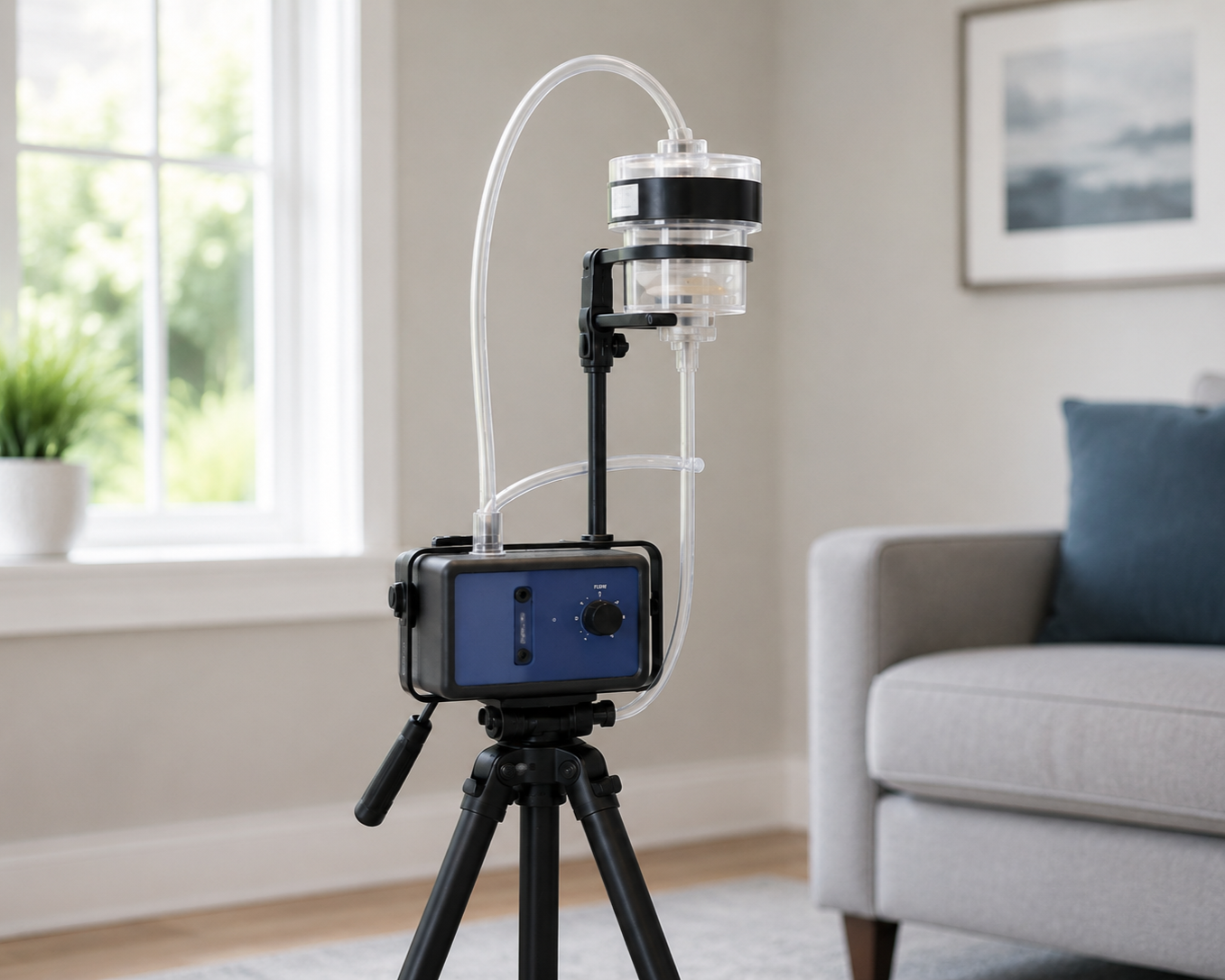
Air testing is usually the starting point. A small pump draws air through a collection cassette for a set period of time, capturing whatever spores happen to be floating around. The sample goes to the lab, and results show the types and concentrations of spores present indoors, which we then compare to outdoor baseline levels. It's a great general assessment and can flag problems even before any visible mold has appeared.
Tape Lift Testing
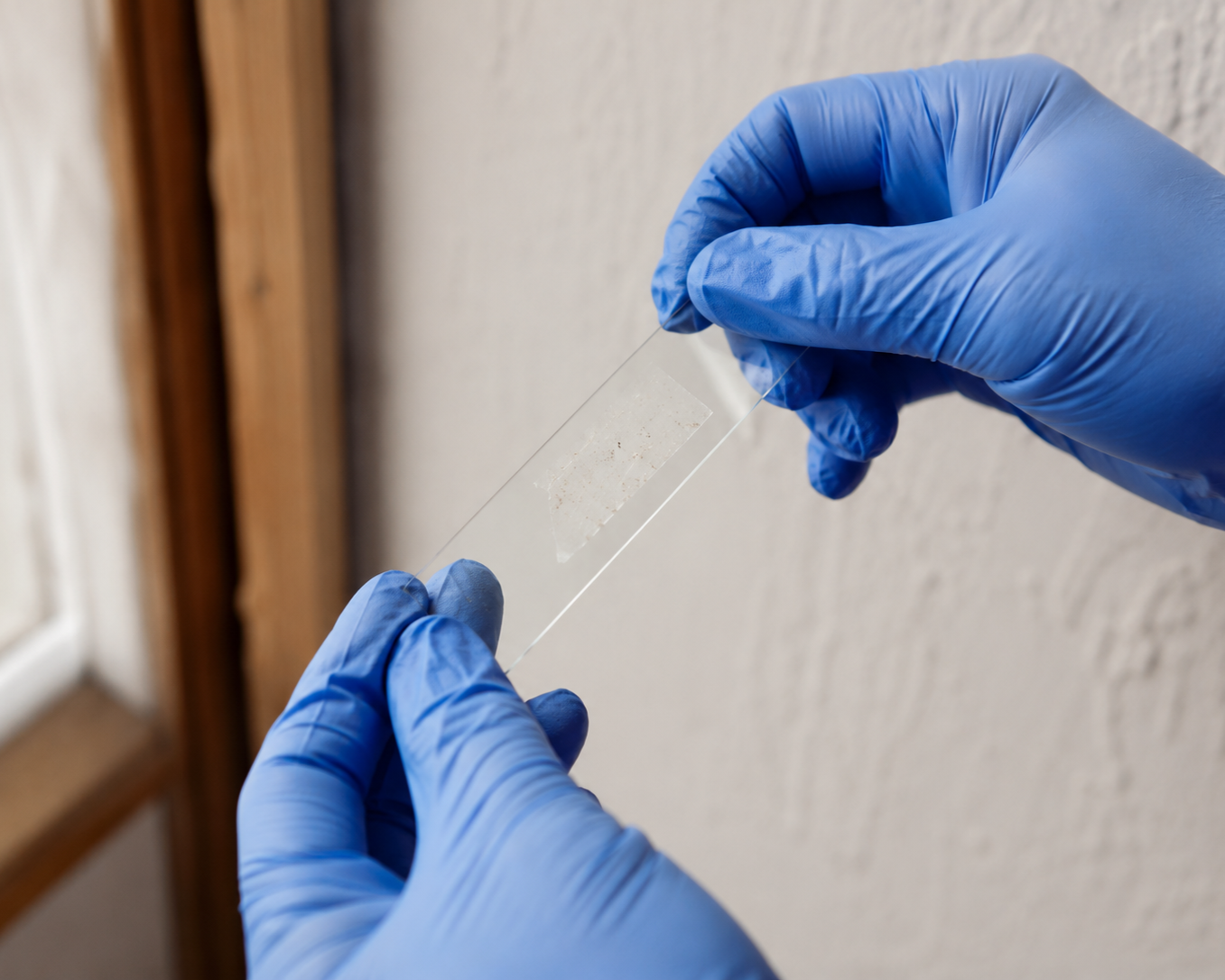
A tape lift works similarly to a swab, but instead of wiping the surface, a piece of clear tape is pressed onto it to pick up spores and other particles. The tape is then placed on a glass slide and examined under a microscope. It's particularly useful on textured surfaces like drywall or wood framing, and it can distinguish between actual mold growth and dust that happens to contain spores.
Wall Cavity Testing
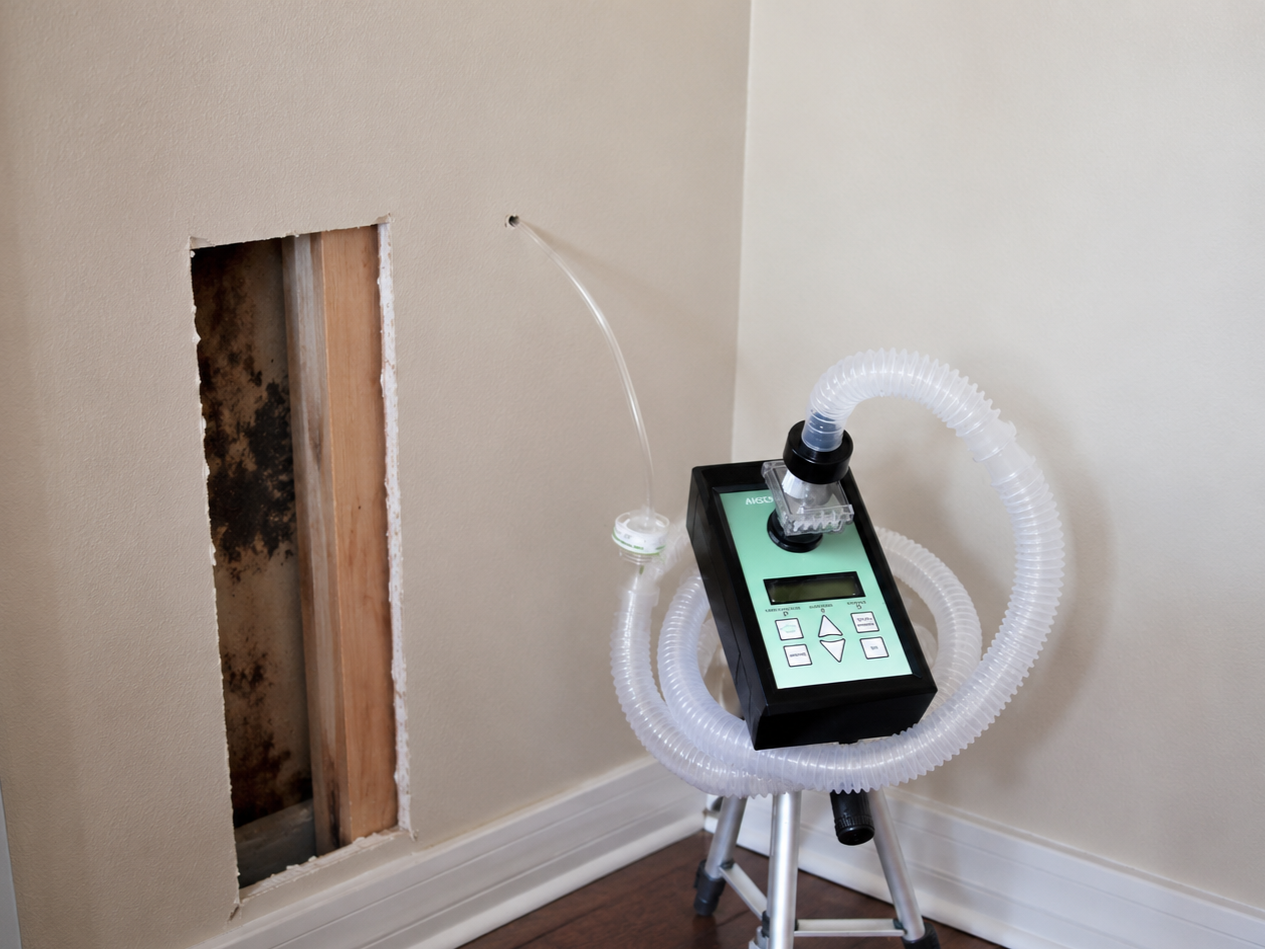
Sometimes mold is hidden inside walls, where it can grow undisturbed for years. Cavity testing gets around that by sampling the air directly inside those spaces through a small opening. This matters because mold growing inside a wall doesn't always show up clearly in a standard room air test, and this method helps us find what's happening where you can't see it.
Disturbance Air
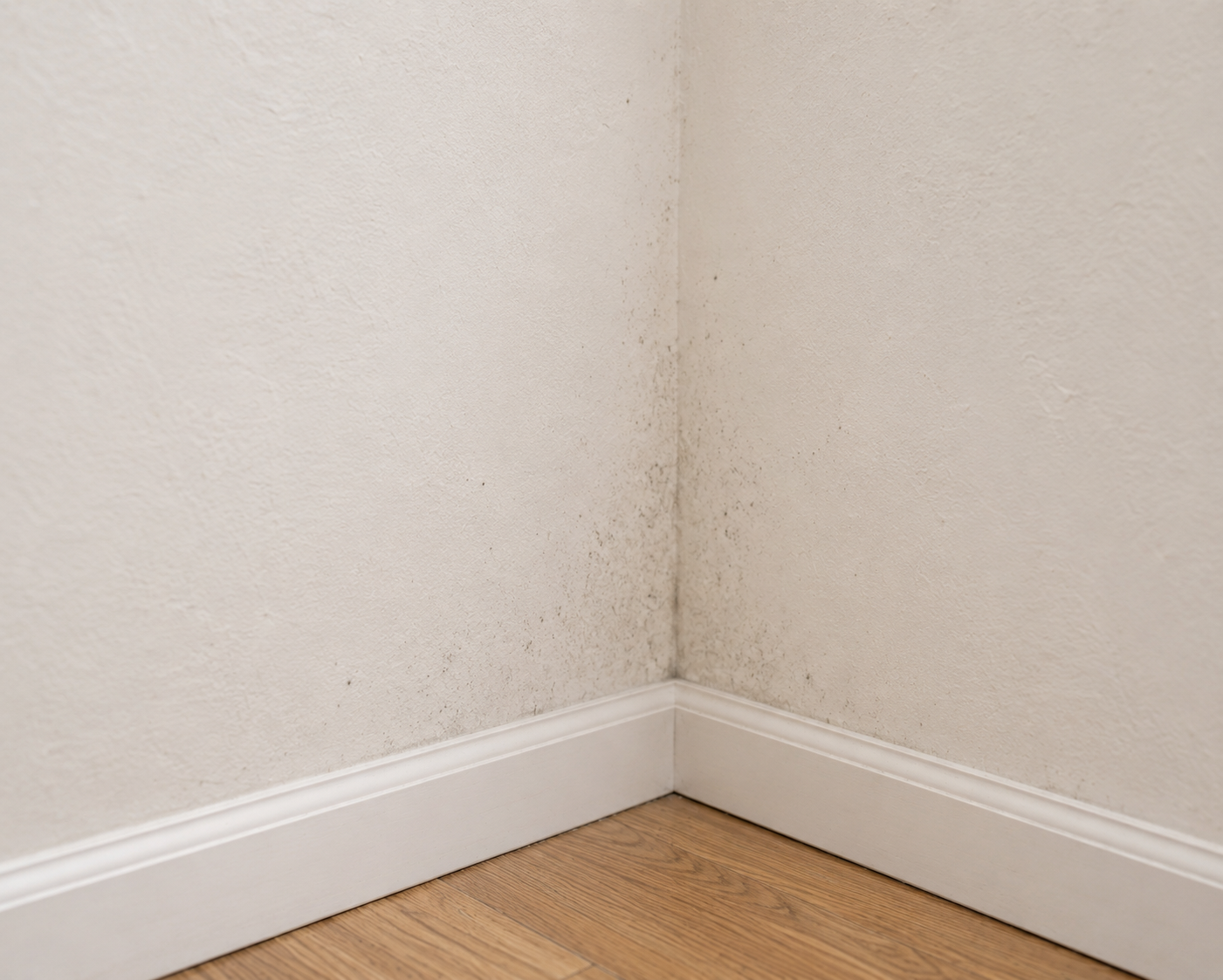
A lot of mold spores sit quietly on surfaces until something disturbs them. Disturbance air testing takes advantage of that by intentionally agitating a suspect area, like tapping a wall, shaking an HVAC filter, or moving insulation, and then immediately collecting an air sample. This gives a much more realistic picture of what someone might actually breathe in during everyday activity or during construction and renovation work.
Swab Testing
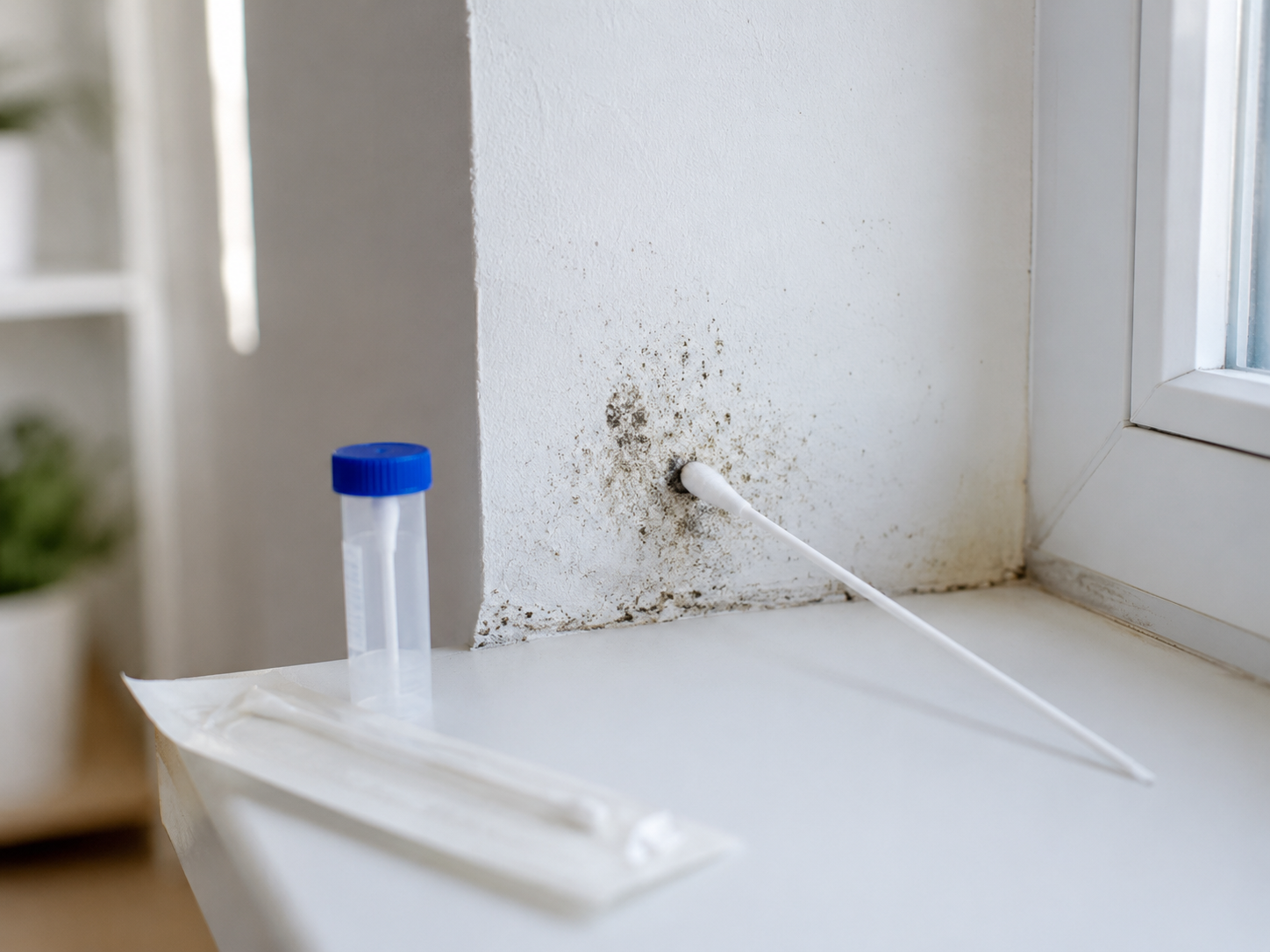
If there's visible discoloration or residue somewhere and you want to know whether it's actually mold, a swab test is usually the most direct way to find out. A sterile swab is wiped across the area and sent to the lab for analysis. It can confirm the presence of mold, identify the species, and help determine next steps. It's also commonly used after remediation to verify a surface has been properly cleaned.
ERMI and HERTSMI-2 Testing
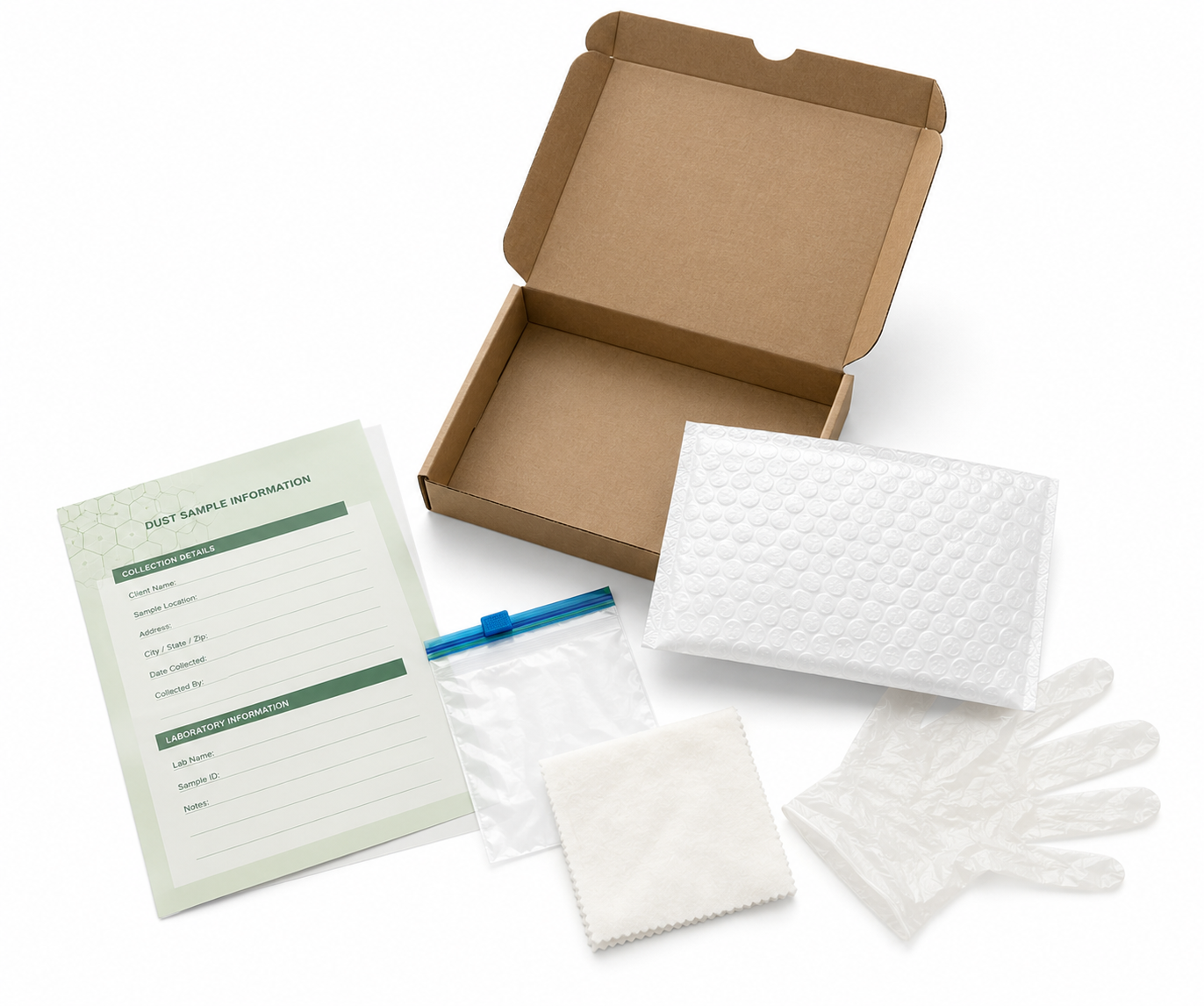
ERMI stands for Environmental Relative Moldiness Index, a test developed by the EPA that analyzes settled dust from your home using DNA methods. You collect a dust sample by vacuuming a defined area or using a Swiffer cloth, and the lab tests it for 36 different mold species. The result is a single score that shows how your home compares to a national average. HERTSMI-2 is a shorter, more focused version of the ERMI. Rather than testing for 36 species, it looks at just five: Stachybotrys chartarum, Chaetomium globosum, Wallemia sebi, Aspergillus penicillioides, and Aspergillus versicolor. It's a cost-effective option when you already have a diagnosis and are trying to determine whether a space is safe to return to.

Advanced Environmental Testing
Most mold inspections start with air, surface, or dust testing, but some situations call for a deeper look.
Mycotoxin and bacteria testing can help provide more information when a building has a history of water damage, unusual odors, ongoing indoor air quality concerns, or symptoms that do not seem to match standard mold test results.
Get In Touch
If you're interested in working with us, complete the form with a few details about your con. We'll review your message and get back to you within 48 hours.